Merchandising for Premium Brands: Creating Experiences, Not Just Displays
In the world of premium brands, every interaction counts.
It’s not enough to have a great product—you must create an experience that speaks to the values, emotions, and aspirations of your audience.
Merchandising plays a pivotal role in shaping that experience. When done right, it transforms product displays into compelling narratives that build emotional connections with customers.
Below are best practices to help premium consumer brands elevate their merchandising strategy—creating not just displays, but lasting impressions.
Use Branded Materials Consistently Across All Channels
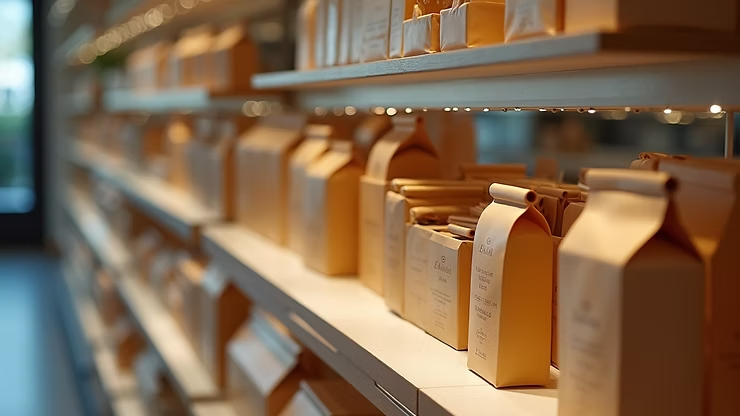
Consistency is a cornerstone of effective merchandising for premium brands. From in-store promotions to packaging and signage, every touchpoint should reflect your brand identity.
High-quality materials—such as textured paper, eco-friendly packaging, or refined signage—reinforce a sense of luxury and trust.
Luxury fashion brands, for example, rely on signature colors and fonts that are instantly recognizable. Whether customers interact with the brand in-store, online, or through advertising, the experience should feel seamless and cohesive.
Highlight Your Unique Selling Proposition (USP) Clearly and Visually
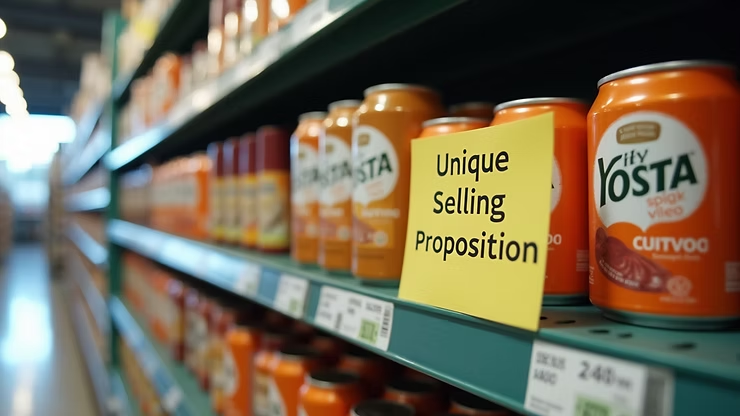
Every premium brand is built around a strong USP—be it craftsmanship, superior quality, or sustainability. Your merchandising must communicate this value clearly and visually.
A high-end skincare brand, for instance, may use clean, minimalist displays to highlight natural ingredients and product benefits. Simple visuals and concise messaging help customers understand the value quickly.
Storytelling can further elevate your USP. Narrative placards, behind-the-scenes details, or customer testimonials add depth and authenticity to the display.
Incorporate Lifestyle Imagery
Lifestyle imagery helps customers imagine your product as part of their own lives. Displays that show products in use build emotional resonance and encourage purchase decisions.
A premium home décor brand might showcase furniture within a thoughtfully styled living space, providing context and inspiration. These aspirational visuals allow customers to envision ownership, not just utility.
High-quality imagery that aligns with your brand aesthetic is essential for creating this emotional pull.

Focus on High-Impact Placement
Product placement has a direct impact on buying behavior. Eye-level shelves are prime real estate and should feature bestsellers or new launches.
End-cap displays also drive high visibility and should combine striking design with clear messaging. For premium brands, restraint is key—avoid clutter and allow products breathing room to reinforce exclusivity.
Clean, organized layouts reduce decision fatigue and invite customers to explore with confidence.
Align With Seasonality and Local Culture
Adapting displays to seasons, festivals, and local culture strengthens emotional connections with customers.
In India, premium brands can align merchandising with festivals like Diwali, Rakhi, or Pongal. A luxury sweets brand, for example, might use ornate packaging and festive visual elements to reflect celebration and tradition.
For global markets, syncing displays with regional holidays or seasonal moments keeps merchandising relevant and engaging.
Use Data to Drive Merchandising Decisions
Data-driven insights can significantly improve merchandising effectiveness. Sales reports, footfall analysis, and customer feedback reveal what’s working—and what’s not.
Heat maps, shelf analytics, QR scans, and promo tracking help brands understand customer behavior at a granular level. These insights guide smarter decisions around placement, design, and promotions.
A merchandising strategy backed by data evolves with the customer.
Integrate Digital Touchpoints In-Store
Premium shoppers expect seamless omnichannel experiences. Digital integrations—such as QR codes linking to product videos, stories, or reviews—enhance in-store engagement.
Features like online ordering, inventory checks, or digital catalogs add convenience while reinforcing a modern, premium brand image.
Train Store Staff as Brand Ambassadors
Store staff are an extension of your brand. Their knowledge, confidence, and approach directly influence customer perception.
Training should include product details, brand values, and personalized selling techniques. When staff can guide customers thoughtfully and authentically, the shopping experience feels elevated and memorable.
Final Thoughts
A strong merchandising strategy does more than display products—it creates moments, memories, and emotional connections.
By applying these best practices, premium consumer brands can design merchandising experiences that resonate deeply with customers and inspire long-term loyalty.
Want Help With Premium Merchandising?
At BrandPort, we specialize in retail execution, category strategy, and brand activations for high-growth consumer brands across India and international markets.