Many young D2C founders follow a similar path
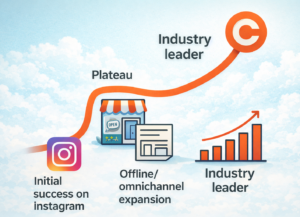
- Source or White label a good product
- Build a brand page on Instagram
- Run ads, generate leads, and close sales via DMs
This approach often delivers strong early results for D2C brands, but as competition intensifies and digital channels mature, growth begins to slow down. Here’s why this plateau occurs—explained through data, market research, and real founder experiences.
The Plateau: Why Growth Stalls
Ad Costs Skyrocket
Digital ad costs for D2C brands are rising 20–30% year over year, driven by intense competition on Meta and Google.
The more brands targeting the same audience, the higher the cost just to get noticed.
Customers Don’t Return
Retention remains a major challenge for D2C brands.
-
The average D2C retention rate is only 28%
-
Nearly 60% of revenue comes from repeat customers
Low retention leads to unstable, unpredictable growth.
Amazon Commissions Eat Margins
Major marketplaces like Amazon have increased seller commissions.
In some categories, fees have nearly doubled.
This directly squeezes margins and forces founders to rethink long-term profitability.
Brand Visibility Drops When Ads Stop
Instagram and Facebook are saturated with D2C brands, making organic visibility harder than ever.
Most audiences are acquired through paid ads.
When ad spend stops, visibility disappears.
“It is every founder’s dream to acquire more new customers, faster.
But in reality, digital CAC is only rising.
You are in a race to beat rising CPMs on Meta & Google—and that’s a battle that’s hard to win at scale.”
— Dhruv Toshniwal, CEO, The Pant Project
The Offline Access Problem
“Where can I buy your product near me?”
Without a physical retail presence, even loyal customers struggle to find your product.
This hurts repeat sales and brand trust.
Digital-Only Brand = Growth Ceiling
Brands that stay online-only eventually hit a wall.
Expanding to retail shelves:
-
Unlocks new audiences
-
Builds real-world credibility
-
Makes it easier for customers to try, trust, and repurchase
The Path Forward: Going Beyond the Algorithm
At BrandPort, we believe the next phase of growth lives on the retail shelf.
Not just inside an ad manager.
Omnichannel Presence Builds Brand Endurance
D2C brands like Warby Parker now generate more than 40% of net revenue from physical stores after moving beyond digital-first strategies.
Diversification Mitigates Margin Pressure
An omnichannel approach, combining online and offline, helps brands:
-
Protect margins
-
Reach customers wherever they shop
-
Reduce dependency on paid acquisition
Your product deserves shelf space.
Your customers deserve access.
Your brand deserves visibility—even when the ad stops.
Take the Offline Leap
Over the coming weeks, BrandPort will share insights, case studies, and strategic guidance for D2C founders ready to expand offline—without the chaos.
Follow BrandPort to turn customer questions like:
“Where can I find you?”
into:
“Right here on the shelf.”